Skip to content

HPD lead paint violation removal

HPD lead paint violation removal

How to Remove NYC HPD Violations?

  • by

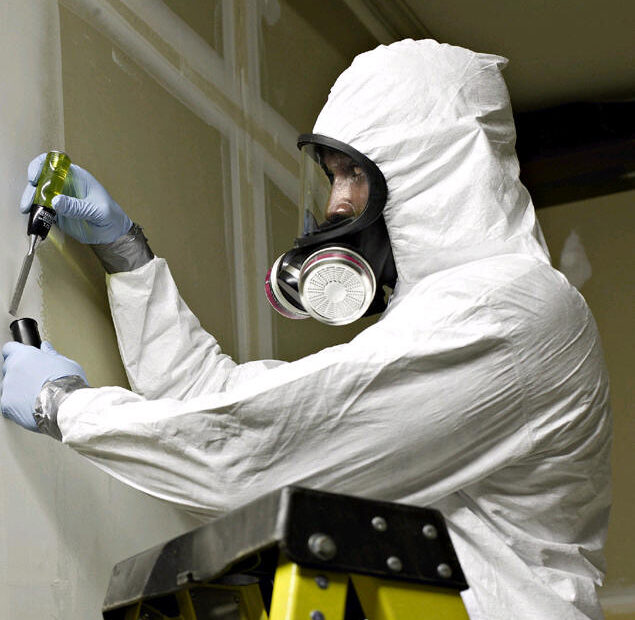
Summary To remove an NYC HPD violation, property owners must first understand the type of violation—Class B or Class C—then follow the Commissioner’s Orders, complete necessary remediation steps like containment, HEPA vacuuming, and clearance testing, and finally certify correction with HPD. Professional remediation contractors like Hi-Tech NYC help owners navigate these steps efficiently and ensure long-term compliance. A housing violation in New York City can feel daunting, but with the right plan, it’s manageable. Let’s break down what these violations mean, how to remediate them, and how to stay compliant. Understanding HPD Violations: Class B vs. Class C The difference between Class B and Class C violations often determines how urgently you need to act. Commissioner’s Orders from HPD will outline specific deadlines and remediation requirements. For instance, new regulations set a lead paint threshold of 3.5 µg/dL blood lead level in children—meaning even lower levels now trigger mandatory abatement. Table: HPD Violation Classes & Deadlines Violation Class Example Issues… Read More »How to Remove NYC HPD Violations?
The Importance of Lead Paint Removal in NYC’s Historic Buildings

  • by

We all know New York City is renowned for its stunning historic architecture. From pre-war brownstones to century-old apartment buildings, these structures are a testament to the city’s rich history and character. However, beneath the charm of these older buildings lies a hidden danger: lead-based paint. Widely used before being banned in 1978, lead paint poses serious health risks to residents and workers alike, particularly in NYC where many buildings predate the ban. Lead Paint in NYC According to New York State and national studies, a significant percentage of NYC’s housing stock was built before the mid-20th century. Lead paint still exists in many homes, schools, and commercial buildings. Over time, as paint deteriorates, it can release lead dust and chips into the environment, posing a risk to those who live or work in these spaces. Health Risks of Lead Exposure The dangers of lead exposure are well-documented. According to high-authority sources like the CDC and EPA, lead poisoning can… Read More »The Importance of Lead Paint Removal in NYC’s Historic Buildings

Protect your Family from Sources of Lead

  • by

Lead from paint, dust, and soil in and around your business or home could be dangerous if not found and dealt with properly to remove lead paint.  This page provides information about potential sources of lead in: Older homes and buildings Soil, yards, and playgrounds Dust Products Drinking water Jobs and hobbies Folk remedies Is your Home or Business Old Enough to be a Lead Hazard? If your home or business was built before 1978, it’s more likely to have lead-based paint. 1978 is when the U.S. federal government banned consumer uses of lead-based paint, but some states were able to ban it earlier. The truth is that lead paint is still present in millions of homes, sometimes under layers of more paint. If the paint is in good shape, the lead paint is usually not a problem. However, if the lead-based paint is deteriorating (peeling, chipping, chalking, cracking, damaged, or damp) is most certainly a hazard and needs immediate… Read More »Protect your Family from Sources of Lead

Call Now