Skip to content

Blog

How to Clean Lead Dust in NYC and elsewhere

How to Clean Lead Dust?

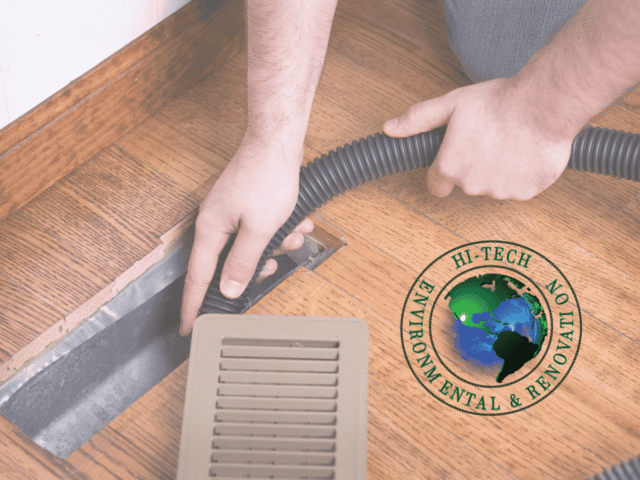
By Hi-Tech Environmental & Renovation | Lead Paint Safety NYC | Updated 2025 Summary Cleaning lead dust safely means using a HEPA-filter vacuum on all surfaces, wiping down hard surfaces with damp disposable cloths and an all-purpose cleaner, and never dry-sweeping or using a standard vacuum that can send lead particles back into the air. In New York City, where lead paint hazards NYC residents face are among the most persistent risks in older housing, this process must follow EPA Renovation, Repair, and Painting (RRP) Rule guidelines, and any significant disturbance of lead-based paint requires a certified lead abatement contractor. The goal is not just to remove visible dust but to bring surfaces to clearance levels verified by post-cleanup testing, the only way to confirm that your home is truly safe for children and pregnant women. If you have discovered lead dust in your home, the most important thing you can do right now is stop whatever is disturbing the… Read More »How to Clean Lead Dust?

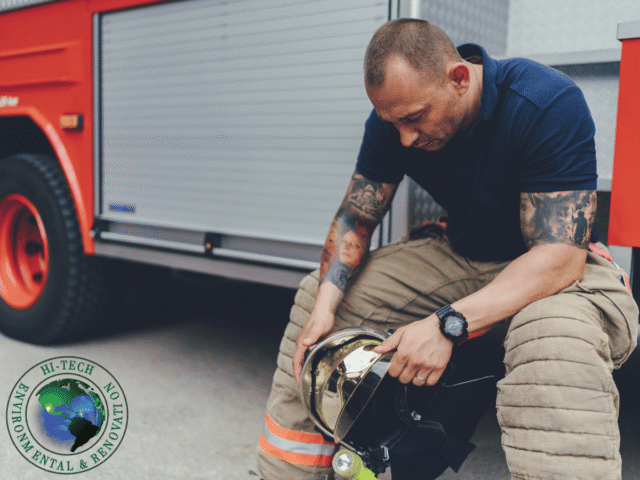
Firefighter in Gear that needs Decontaminating

Why Do Firefighters Use Dawn Dish Soap?

SUMMARYFirefighters use Dawn dish soap primarily because its powerful surfactant formula breaks down hydrocarbons, soot, and toxic chemical residues that cling to turnout gear and skin after a fire. Originally adopted as a budget-friendly alternative to Class A foam in wildland firefighting – where a few ounces added to a water tank dramatically improves penetration into burning debris – Dawn has become a go-to on-scene decontamination tool across departments nationwide. Today, as research links post-fire carcinogen exposure to skyrocketing cancer rates among firefighters, that simple blue bottle is part of a broader, urgent push to clean toxins off gear and skin before they absorb into the body. If you’ve ever spotted a firefighter scrubbing down with a familiar blue bottle after battling a blaze, you weren’t imagining things. Dawn dish soap has quietly become one of the most trusted tools in a firefighter’s decontamination arsenal – right alongside their turnout gear and self-contained breathing apparatus. It sounds almost too simple… Read More »Why Do Firefighters Use Dawn Dish Soap?

How can I tell if my building has asbestos?

Summary Asbestos remains a pervasive and serious threat in older New York City buildings, with nearly 70% of NYC structures containing asbestos-containing materials despite its 2024 ban. The key to protecting yourself and your property is early identification: look for visible signs like deteriorating insulation, damaged floor tiles, friable ceiling materials, and outdated roofing; understand that asbestos is only truly dangerous when fibers become airborne through disturbance; and most importantly, hire a certified asbestos investigator before any renovation work begins. Professional testing and inspection are non-negotiable steps that safeguard health, ensure legal compliance, and prevent costly violations. ——————————————————————– Is Your NYC Building Safe? 7 Signs of Hidden Asbestos and What to Do Next If you own, manage, or rent a building in New York City constructed before 1989, asbestos is likely present somewhere in your walls, insulation, or flooring. The invisible threat lurks silently until disturbed, making early detection and professional intervention critical to your building’s safety and your legal… Read More »How can I tell if my building has asbestos?

The 3 5 7 Rule

What is the 3 5 7 rule for asbestos sampling?

Summary The 3 5 7 rule is shorthand for the EPA’s AHERA bulk-sampling standard for friable surfacing material: collect 3 samples from a homogeneous area of 1,000 square feet or less, 5 samples when the area is more than 1,000 and up to 5,000 square feet, and 7 samples when it is more than 5,000 square feet. The key nuance is that this rule is not a universal sample count for every suspect asbestos material; thermal system insulation and miscellaneous or nonfriable materials follow different sampling approaches, and in New York City any renovation workflow still has to fit local survey, filing, and abatement requirements. Asbestos sampling is having a real moment again because owners, contractors, and facility teams are all asking the same modern questions: How many samples are enough, what PPE is actually correct, and how do we stay compliant without stalling a project? In New York, that conversation is even sharper right now because official survey requirements,… Read More »What is the 3 5 7 rule for asbestos sampling?

Discover safety-driven solutions shaping modern environmental cleanup.

Summary The newest EPA remediation technologies focus on safer, faster, and more precise remediation methods that reduce human exposure while improving long-term environmental outcomes. Advances now emphasize containment, real-time monitoring, and low-toxicity treatments that align with stricter federal, state, and urban compliance standards. These technologies are increasingly adopted by certified remediation firms to address lead, asbestos, mold, and other hazardous materials efficiently. Environmental remediation has entered a precision era. Where older approaches relied heavily on broad removal and demolition, modern solutions prioritize control, verification, and prevention. Safety is no longer an afterthought but the engineering backbone of every compliant remediation plan. This shift is especially visible in urban markets where regulatory scrutiny is high and occupants remain close to the work. Smart Containment and Air-Control Systems Modern remediation methods begin with controlling the environment before hazards are disturbed. EPA-aligned technologies now use advanced containment strategies that significantly reduce cross-contamination risks. These systems are particularly relevant in occupied residential and commercial… Read More »Discover safety-driven solutions shaping modern environmental cleanup.

Lead Abatement NYC

Does homeowners’ insurance cover lead paint removal?

Summary Most homeowners’ insurance policies do not cover lead paint removal because insurers classify lead hazards as long-term maintenance issues rather than sudden, accidental damage. Coverage may apply only in narrow scenarios involving accidental contamination or if additional endorsements were purchased. NYC-area remediation firms like HiTech NYC emphasize that lead abatement is considered a property-safety upgrade, not an insured repair, which means owners generally need to plan for out-of-pocket costs. A home can sparkle with charm, but if its walls still harbor lead-based paint, that charm comes with a side of complicated paperwork. The insurance world treats lead like an uninvited guest who has overstayed since 1978, and your policy usually pretends not to see it. Yet homeowners continue to wonder whether remediation qualifies for coverage, especially in renovation-heavy cities like New York. Let’s pull apart the threads and see how the rules really work. Does homeowners’ insurance ever cover lead paint issues? Insurers tend to tiptoe around lead the… Read More »Does homeowners’ insurance cover lead paint removal?

How to get a lead abatement certificate

How to get a lead abatement certificate?

Obtaining a lead abatement certificate means completing EPA- or state-approved training, passing any required exam, submitting the application (often online via CDX) and paying the fee, then maintaining your credential through renewal or refresher courses; working with a certified abatement firm like Hi‑Tech Environmental & Renovation (prequalified in NYC) is part of regulatory compliance and ensures your scope is properly documented. In an era where wellness, safety and regulatory mindfulness meet, securing your lead abatement certificate is not just compliance—it’s a statement of professional biohacking for healthier built environments. Let’s walk through what you need to know to get certified efficiently and smartly. What are the exact training and application steps you must take? To get certified for lead abatement you must meet training, application, and regulatory requirements. How does this certification tie into business operations and compliance? For your certification to translate into legitimate abatement work, you must integrate it into your business strategy and regulatory workflow. Register your… Read More »How to get a lead abatement certificate?

NYC DOH compliance

What is NYC DOH compliance and why is it important in home renovations?

Summary In New York City, especially in older buildings, asbestos testing is not just a recommended step — it’s a regulatory necessity. Failing to identify and properly abate asbestos prior to renovation can lead to serious health risks, steep penalties, and delays in permitting. This blog explains how NYC Department of Health (DOH) and related agencies regulate asbestos in home renovation projects, and why testing must come first. Older NYC buildings often contain hidden asbestos in insulation, flooring, wall compounds, or roofing. Before you swing a hammer, you need to know what you’re disturbing. The following sections address the most common questions, explain regulations, and show how compliance helps protect occupants and workers. NYC DOH compliance essentially means managing environmental hazards — including asbestos — in line with local, state, and federal health and safety requirements. In renovation or demolition work, failing to abide by DOH (and DEP, DOB, etc.) rules can lead to: In the context of safe home… Read More »What is NYC DOH compliance and why is it important in home renovations?

How to Remove NYC HPD Violations?

Summary To remove an NYC HPD violation, property owners must first understand the type of violation—Class B or Class C—then follow the Commissioner’s Orders, complete necessary remediation steps like containment, HEPA vacuuming, and clearance testing, and finally certify correction with HPD. Professional remediation contractors like Hi-Tech NYC help owners navigate these steps efficiently and ensure long-term compliance. A housing violation in New York City can feel daunting, but with the right plan, it’s manageable. Let’s break down what these violations mean, how to remediate them, and how to stay compliant. Understanding HPD Violations: Class B vs. Class C The difference between Class B and Class C violations often determines how urgently you need to act. Commissioner’s Orders from HPD will outline specific deadlines and remediation requirements. For instance, new regulations set a lead paint threshold of 3.5 µg/dL blood lead level in children—meaning even lower levels now trigger mandatory abatement. Table: HPD Violation Classes & Deadlines Violation Class Example Issues… Read More »How to Remove NYC HPD Violations?

What does the NYC Department of health do?

When New York City’s Department of Health and Mental Hygiene (DOHMH) issues a violation—especially those involving lead-based paint or hazardous materials like asbestos—property owners are on a tight timeline to correct the issue. This guide offers a step-by-step breakdown of the DOHMH violation correction process, including requirements, recommended timelines, and technical considerations. We’ll also highlight how licensed environmental contractors like Hi-Tech Environmental Remediation help navigate this process seamlessly. Overview of DOHMH Protocols and Requirements Requirement Details Issuing Agency NYC Department of Health and Mental Hygiene (DOHMH) Common Violations Lead-based paint, mold, pest infestations, asbestos exposure Timeline for Correction 21 calendar days from receipt of the Commissioner’s Order (for lead) Documentation Required XRF lead paint reports, clearance dust wipes, contractor affidavits Resolution Method Use of EPA-certified firms like Hi-Tech Environmental Remediation Pro Tip: Failing to meet DOHMH deadlines can result in escalated enforcement, including civil penalties or HPD liens. Correction Workflow vs. NYC Regulations Violation Correction Process NYC DOHMH Regulation Reference… Read More »What does the NYC Department of health do?

Call Now