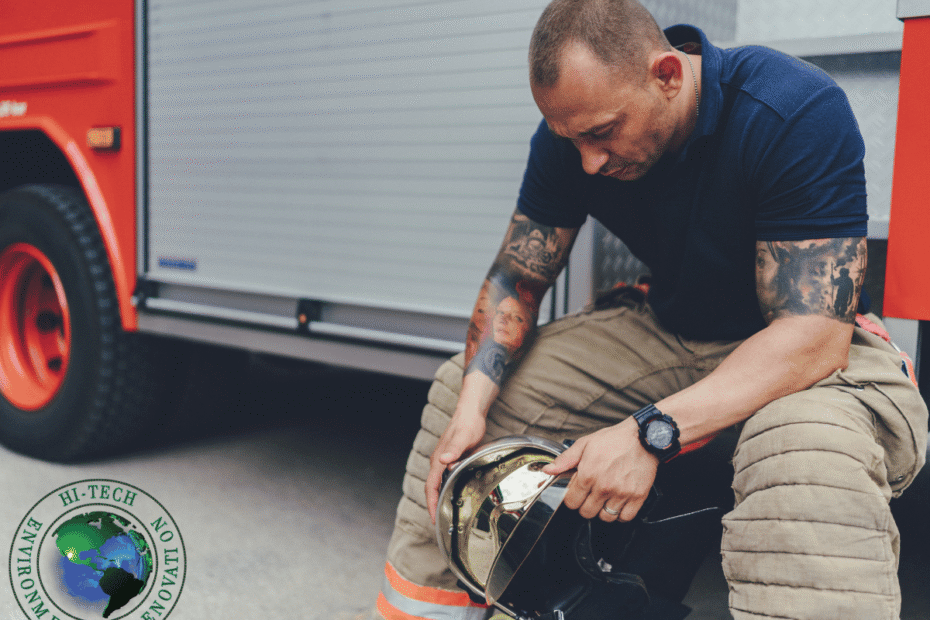
| SUMMARY Firefighters use Dawn dish soap primarily because its powerful surfactant formula breaks down hydrocarbons, soot, and toxic chemical residues that cling to turnout gear and skin after a fire. Originally adopted as a budget-friendly alternative to Class A foam in wildland firefighting – where a few ounces added to a water tank dramatically improves penetration into burning debris – Dawn has become a go-to on-scene decontamination tool across departments nationwide. Today, as research links post-fire carcinogen exposure to skyrocketing cancer rates among firefighters, that simple blue bottle is part of a broader, urgent push to clean toxins off gear and skin before they absorb into the body. |
If you’ve ever spotted a firefighter scrubbing down with a familiar blue bottle after battling a blaze, you weren’t imagining things. Dawn dish soap has quietly become one of the most trusted tools in a firefighter’s decontamination arsenal – right alongside their turnout gear and self-contained breathing apparatus.
It sounds almost too simple to be true. But the chemistry behind it is genuinely fascinating, and the health stakes behind why this matters have never been higher. Firefighters are now classified as working in a Group 1 carcinogenic occupation by the World Health Organization – and what happens after the flames go out is a huge part of that risk.
The Science Behind the Suds: How Dawn Actually Works on Fire Scenes
Dawn works so well for firefighters because it reduces the surface tension of water, allowing it to penetrate deeply into burning material instead of just running off the surface.
Water by itself has high surface tension – it beads and rolls off dense materials like compressed wood, soil, and debris rather than soaking in. That’s a problem when you’re trying to douse a smoldering brush fire or a deeply burning compost pile. Add a surfactant like Dawn, and suddenly that same water becomes a much more aggressive suppression agent.
Why Dawn Specifically, and Not Just Any Dish Soap?
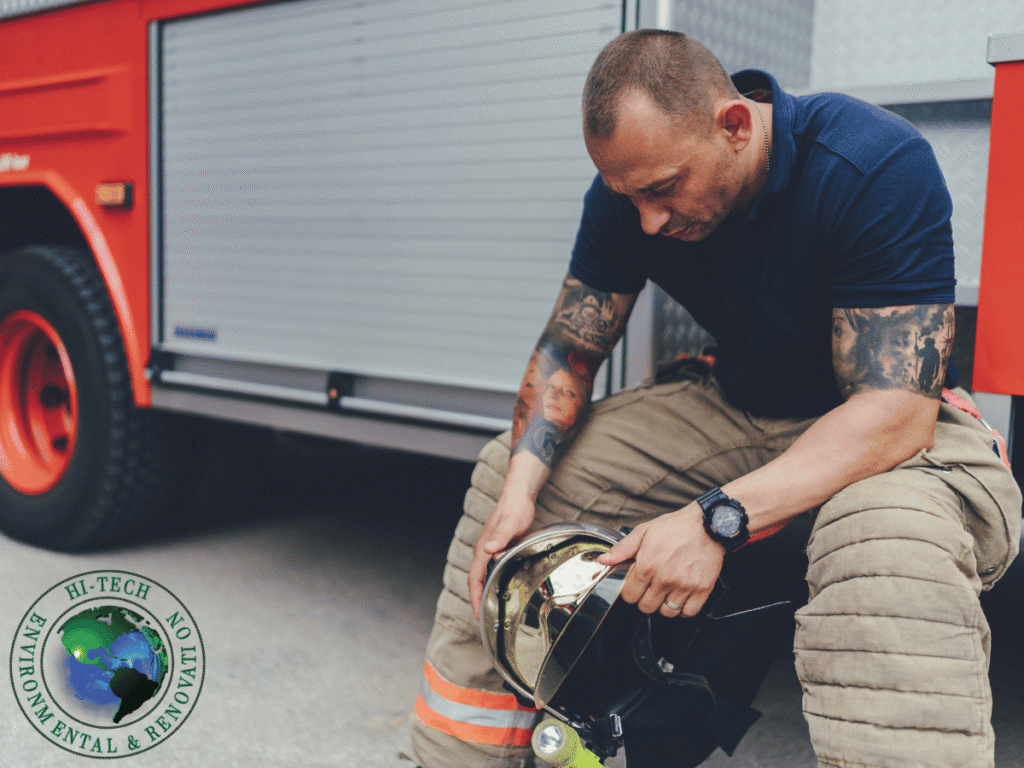
Firefighters and rural volunteer departments have long favored Dawn for several very practical reasons. It was cheap, widely available, and it didn’t corrode or gum up pump equipment the way some industrial foaming concentrates could.
- Powerful surfactant chemistry: Dawn contains sodium lauryl sulfate and amine oxides that aggressively lift grease, hydrocarbons, and oily soot – exactly what’s left on skin and gear after a structural or wildland fire.
- Biodegradable formula: Made with biodegradable surfactants, Dawn breaks down relatively safely in the environment – an important consideration when runoff from fire scenes enters storm drains or soil.
- Proven at scale: Research from the Alaska wildfire programs found that just 3 gallons of Dawn concentrate could produce up to 1,000 gallons of usable foam – a ratio that made it extraordinarily cost-effective for cash-strapped departments.
- Hydrocarbon breakdown: Dawn effectively breaks down hydrocarbons, making it the go-to scrub agent for initial gear decontamination right at the scene before equipment is transported back to the station.
- Non-corrosive to equipment: Unlike some foam concentrates that can gel up, degrade hoses, or react with other agents, Dawn plays nicely with standard firefighting equipment and doesn’t leave damaging residue.
QUICK FAQ: IS DAWN SAFE TO USE DIRECTLY ON FIREFIGHTER SKIN?
Dawn is gentle enough for use on skin during initial field decontamination. That said, specialized firefighter decon soaps designed specifically to remove carcinogens, VOCs, and PFAS more thoroughly are now recommended for full post-fire showering at the station.
From Wildland Fires to Urban Decon — Dawn’s Expanding Role
Its origins in wildland and rural firefighting are well documented. Volunteer fire departments in Oklahoma, Texas, and across the rural West were mixing Dawn into their water tanks for brush fire suppression long before commercial Class A foam products became widely available — often at a ratio of about 8 ounces per 200 gallons of water.
The Texas Forest Service even helped pioneer this practice decades ago, using the soap’s surface-tension-breaking power to create a penetrating suppressant for grass and timber fires. Eventually, chemical companies took note and started developing dedicated foam concentrates inspired by the same principle — but Dawn never went away. It remained in fire stations and on trucks as a reliable, accessible standby.
Comparison: Water vs. Dawn vs. Commercial Class A Foam
| Use Case | Plain Water | Dawn Dish Soap Mix | Commercial Class A Foam |
| Plain water | Limited penetration | Breaks down hydrocarbons ✔ | Excellent ✔ |
| Gear decontamination | Surface debris only | Breaks down hydrocarbons ✔ | Not designed for this |
| PAH removal from gear | ~0% effectiveness | ~85% PAH reduction ✔ | Varies by product |
| Cost & accessibility | Free ✔ | Very low cost ✔ | Higher cost, specialty order |
| Wildlife / oil spill cleanup | No | Industry standard ✔ | No |
| Equipment compatibility | Universal ✔ | Non-corrosive ✔ | Varies — some gel issues |
Comparison of firefighting and decontamination agents across common use cases.
The Cancer Crisis Driving a Decontamination Revolution
The single biggest reason Dawn is now front and center in fire station culture isn’t about fighting fires at all – it’s about fighting cancer.
In 2022, the International Agency for Research on Cancer officially reclassified firefighting as a Group 1 carcinogenic occupation – the highest possible category, meaning there is now solid evidence that the job itself causes cancer in humans. Research shows firefighters face double the risk of mesothelioma and prostate cancer compared to the general population. The culprits are the toxic chemical cocktail that builds up on gear and skin during and after every fire response.
What’s Actually on That Gear After a Fire?
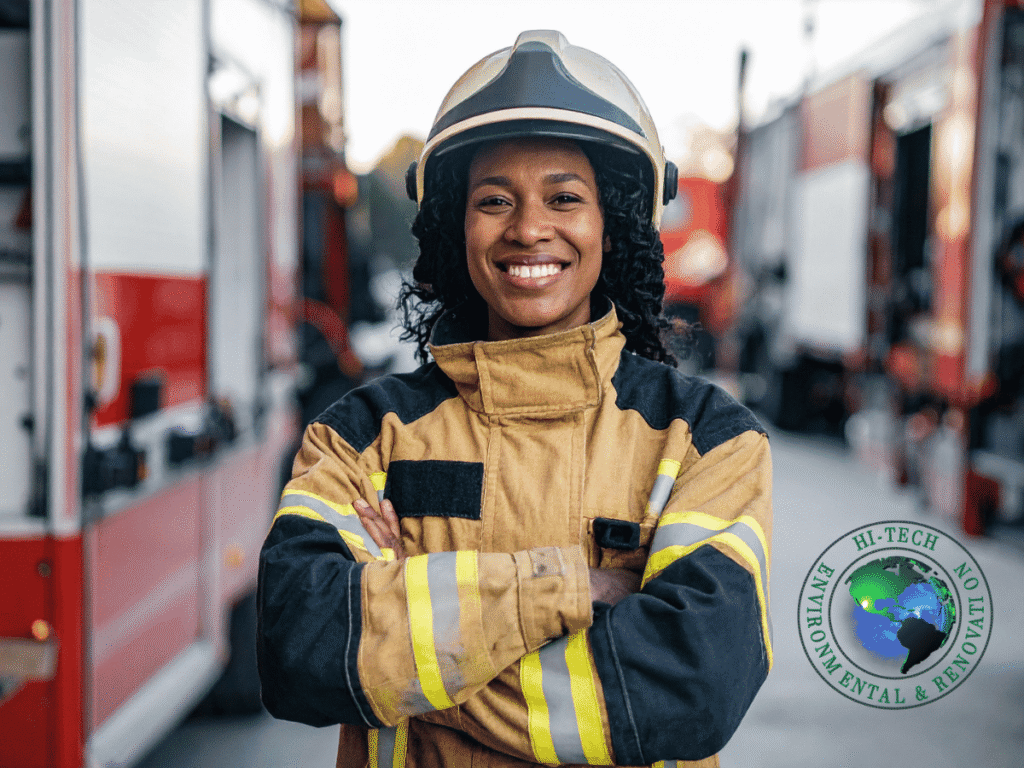
Modern fires burn hotter and dirtier than ever before, largely because today’s buildings and furnishings are packed with synthetic materials that release a toxic soup when ignited.
- Polycyclic aromatic hydrocarbons (PAHs): These carcinogens cling stubbornly to turnout gear fabric. Studies show that scrubbing gear with water and dish soap reduces PAH contamination by approximately 85% — compared to near zero reduction with water alone.
- PFAS “forever chemicals”: Ironically, the gear itself has long contained PFAS – the same class of synthetic chemicals linked to cancers of the kidney, breast, testicles, and thyroid. Massachusetts became one of the first states to ban PFAS in fire gear, effective 2027.
- Volatile organic compounds (VOCs): Released by burning plastics, furniture, and building materials, VOCs penetrate both gear and skin – making rapid post-fire decontamination absolutely critical.
- Fine particulate matter and soot: Beyond chemical contamination, ultra-fine particles embed in gear fibers and skin pores, carrying carcinogens deep into the body if not removed promptly.
- Asbestos and heavy metals: In older structures – particularly the kind of pre-1980 NYC housing stock Hi-Tech Environmental regularly works in – fires can release asbestos fibers and lead dust, adding another layer of toxic exposure risk.
| QUICK FAQ: HOW MUCH DOES ON-SCENE DECONTAMINATION WITH DAWN ACTUALLY REDUCE EXPOSURE?Significantly. Research published in peer-reviewed journals found that using water and dish soap together – compared to water alone – removes up to 85% of polycyclic aromatic hydrocarbons (PAHs) from gear. That’s not a small margin; it’s the difference between a heavy toxic load and a manageable one. |
The Proper On-Scene Decon Protocol – Where Dawn Fits In
Emergency scene decontamination is now recognized as one of the most effective interventions for reducing long-term firefighter cancer risk. Dawn plays a specific role within a structured process.
- Stay on air: Firefighters should remain on their self-contained breathing apparatus until the initial rinse is complete to avoid inhaling residual off-gassing from contaminated gear.
- Low-pressure rinse from top to bottom: A gentle spray ensures water gets to surfaces without forcing contaminated water inside the turnout gear’s protective layers.
- Scrub with Dawn and a soft brush: A small amount of Dawn – applied with a soft brush – breaks down the hydrocarbon residue and soot before a thorough rinse. This is the step where the soap earns its place.
- Bag and seal gear immediately: After rinsing, gear is sealed in heavy-duty plastic bags to prevent contamination of the truck cab, the station, and firefighters’ personal vehicles and homes.
- Station shower immediately on return: Firefighters shower with specialized decon soap right away – before changing into street clothes – to clear any residue that reached the skin.
| QUICK FAQ: DOES DAWN REPLACE PROFESSIONAL GEAR LAUNDERING? No. On-scene decontamination with Dawn is the critical first step, but it doesn’t replace the full laundering process required under NFPA 1851 standards. Think of it as the triage – the first layer of protection that prevents carcinogens from riding home on the truck. |
| ⚠ The Hidden Danger in Pre-1980 Homes: What Every NYC Homeowner Must Know About Lead Paint When firefighters respond to structure fires in older New York City buildings – and the five boroughs are full of them – the toxic exposure equation becomes dramatically more complicated. Homes and apartment buildings built before 1978 very often contain lead-based paint, and when those structures burn, lead particles become airborne. That same lead contamination that threatens firefighters during a fire is a silent, chronic hazard for the families who live in those homes every day. Deteriorating lead paint doesn’t need a fire to become dangerous: chipping, peeling, or renovation disturbance is enough to create a serious health risk, especially for children under six whose developing neurological systems are uniquely vulnerable. New York City’s Local Law 31 and HPD regulations require building owners to proactively inspect and remediate lead paint hazards. If your building was constructed before 1980, this isn’t a “maybe someday” issue – it’s a now issue. |
Beyond the Kitchen Sink: Dawn’s Legendary Role in Wildlife and Environmental Rescue
The blue bottle that cleans dishes and decontaminates gear has also saved thousands of animals – and that reputation is what first brought Dawn its broader cultural recognition as a rescue tool.
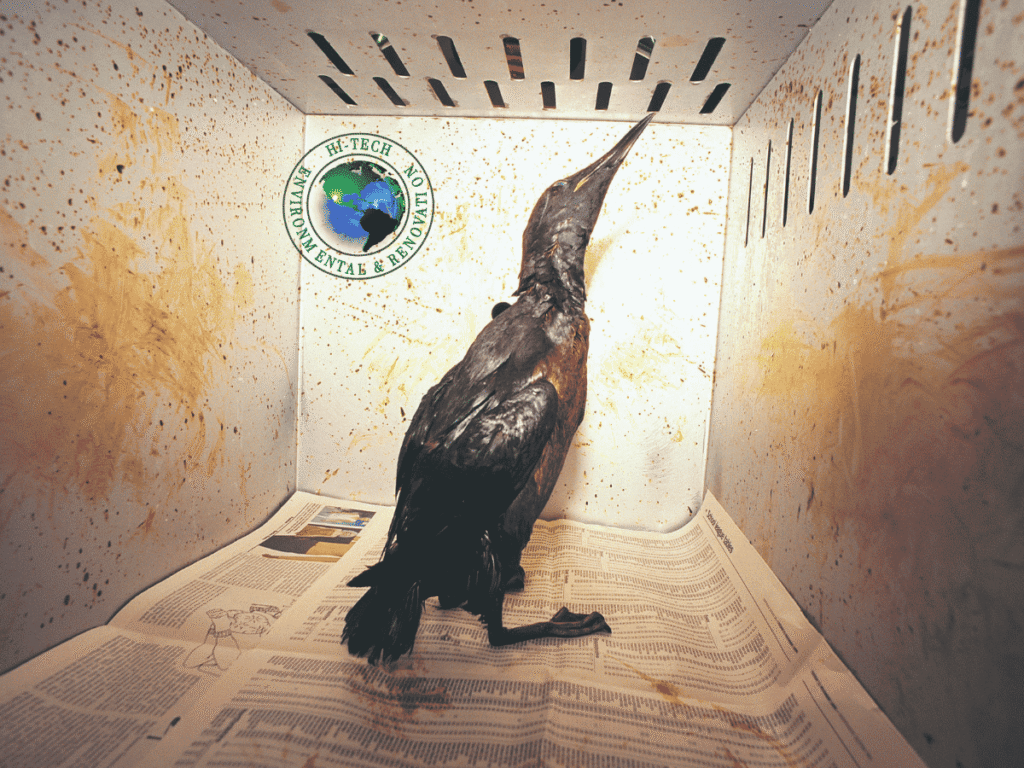
When the Exxon Valdez tanker spilled approximately 11 million gallons of crude oil into Prince William Sound, Alaska, in 1989, wildlife rescue workers turned to Dawn to remove oil from affected seabirds and marine mammals. The soap’s ability to cut through petroleum-based oils without harming feathers or skin made it the agent of choice – and Procter & Gamble has since leaned into that identity, donating over $4 million to wildlife partners and thousands of bottles to rescue organizations since 2006.
The Same Chemistry That Saves Ducks Cleans Up Chemical Spills
Municipalities have reached for Dawn in some memorable moments beyond wildlife rescue. When a massive recycling center fire broke out in North Carolina, fire officials dispatched crews to buy every bottle of Dawn they could find at local stores – and used the soap to create a foam blanket that helped smother the blaze. Crews in Cincinnati also used Dawn to manage a 6,700-gallon animal fat spill on a major interstate.
- Oil and grease fires: Dawn’s surfactant chemistry can help suppress certain types of oil and grease fires by creating a foam barrier that reduces oxygen contact with the fuel surface.
- Chemical spill cleanup: The soap helps emulsify and lift petroleum-based and fatty-acid-based spills, making them easier to contain and remove from pavement and soil surfaces.
- Wildlife decontamination: The original blue formula remains the standard recommendation from bird rescue and marine mammal organizations for removing crude oil from animals – effective without stripping the natural oils that feathers and fur need to function.
- Pre-treatment of contaminated materials: In environmental remediation contexts, surfactant-based soaps can serve as a pre-treatment step before more intensive cleaning protocols – a principle that applies to gear decontamination and broader hazmat scenarios alike.
The Connection to Environmental Remediation – and What It Means for NYC Buildings
Firefighters dealing with chemical exposure and environmental workers dealing with hazardous materials in buildings are navigating the same fundamental challenge: toxic substances that don’t announce themselves, that absorb into surfaces and skin, and that require the right chemistry to remove effectively.
At Hi-Tech Environmental & Renovation, we see this dynamic every day. Just as a firefighter can’t rinse soot off gear with plain water and call it done, a building owner can’t paint over asbestos-containing materials or lead paint and consider the hazard addressed. Both situations demand certified expertise, proper containment, and proven removal protocols — not DIY shortcuts.
| Dealing with Lead Paint, Asbestos, or Mold in Your NYC Property? Don’t wait for a violation notice — or a health crisis. Hi-Tech Environmental & Renovation has completed over 180 asbestos removal projects and 95 lead abatement projects across New York City. We’re HPD prequalified, fully licensed, and ready to assess your property today. Book a Free Consultation: hitechnyc.com/contact-us Call Us: (718) 450-4138 Email Us: info@hitechnyc.com |
Frequently Asked Questions
What is a surfactant, and why does it matter for firefighting?
A surfactant (short for “surface-active agent”) is a chemical compound that reduces the surface tension of water, allowing it to spread and penetrate surfaces more effectively. In firefighting, surfactants like those in Dawn dish soap help water soak into burning debris rather than beading and running off — dramatically improving suppression effectiveness, especially for Class A fires involving wood, vegetation, and structural materials.
What are PAHs, and why are they dangerous to firefighters?
Polycyclic aromatic hydrocarbons (PAHs) are a group of over 100 different chemical compounds produced when organic materials like wood, coal, and oil are burned incompletely. They cling to firefighter turnout gear and skin after a fire and are classified as probable or known carcinogens — linked to lung cancer, bladder cancer, and other serious illnesses. Removing PAHs promptly with an effective surfactant is a critical decontamination step.
What is Class A foam and how does it relate to dish soap?
Class A foam is a specialized firefighting agent designed for use on Class A fires — those involving ordinary combustibles like wood, paper, and vegetation. It works by drastically reducing water’s surface tension. Dawn dish soap was historically used as a low-cost, accessible substitute for Class A foam concentrate, and its use by early adopters in Texas and Alaska directly influenced the development of commercial foam products that are now industry standard.
What are PFAS chemicals and why are they a concern in firefighter gear?
PFAS (per- and polyfluoroalkyl substances), often called “forever chemicals,” are synthetic compounds used in firefighter turnout gear for their water- and oil-resistant properties. They are highly persistent in the environment and in the human body, and have been linked to cancers of the kidney, breast, testicles, and thyroid, as well as cardiovascular disease and immune dysfunction. Multiple states have enacted or are enacting bans on PFAS in firefighting gear, and the EPA has set strict limits on PFAS in drinking water.
What is lead abatement, and when is it required in New York City?
Lead abatement is the process of permanently eliminating lead paint hazards in a building through removal, encapsulation, or component replacement — performed by licensed contractors following strict federal, state, and local regulations. In New York City, Local Law 31 requires building owners to inspect units with children under six for lead paint hazards and remediate as needed. Buildings constructed before 1960 are presumed to contain lead-based paint, and pre-1978 buildings may also be affected. The NYC Department of Housing Preservation and Development (HPD) enforces compliance. Hi-Tech Environmental & Renovation is an HPD prequalified lead abatement contractor.

Brooke Hastings is a devoted content writer who creates informative articles focused on asbestos, lead paint, and mold remediation. She enjoys breaking down complex environmental and safety topics into practical guidance that helps homeowners, property managers, and contractors make informed decisions. With a focus on accuracy, clarity, and reader value, Brooke develops content that educates, builds trust, and supports safer properties.